What Is This Guide For?
Workplace burnout usually does not appear suddenly. It often develops gradually: through fatigue, loss of motivation, irritability, difficulty resting, or a sense that work takes more than it gives.
This guide will help you notice early signs and decide what small step may be worth taking next.
What Is Burnout?
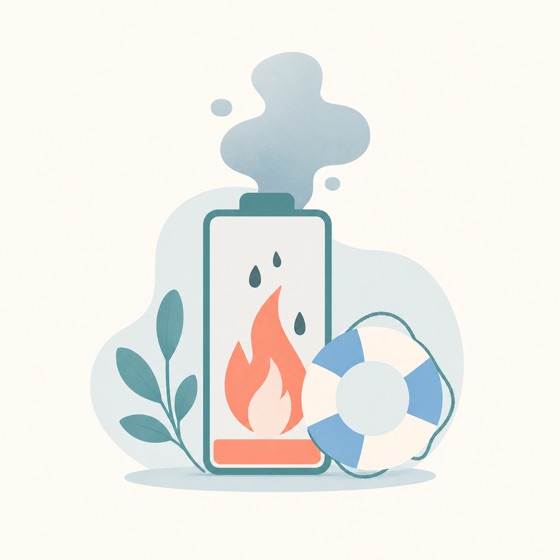
Burnout is linked to chronic stress at work that has not been effectively balanced by rest, support, or changes in conditions. It is not a sign of weakness or laziness.
It is a signal that, for a longer period, demands may have exceeded the resources available to you.
Signs in Emotions and Relationships
Notice whether irritability, discouragement, a sense of indifference, or distance from people at work are showing up more often. Some people notice less patience, more cynicism, or a feeling that it is harder to engage as they once did.
What matters is not one difficult day, but a repeating pattern.
Signs in Thinking and Motivation
Burnout can affect concentration, memory, decision-making, and your sense of effectiveness. You may notice thoughts such as: “I can’t manage this,” “There’s no point,” or “Nothing I do is good enough.”
Sometimes motivation drops, even if your work used to feel important or satisfying.
Signs in Your Body and Rest
The body often signals overload before the mind does. Possible signs include tension, headaches, stomach problems, frequent infections, difficulty falling asleep, or sleep that does not feel restorative.
It can also be concerning when you do not feel a clear improvement even after a day off.
Mini-Checklist
Pause for a moment and check: have these signs lasted longer than a few weeks? Do they affect your work, relationships, or health?
Has rest stopped being enough? Are you increasingly functioning only in survival mode?
The more often your answer is “yes,” the more important it is to take action early.
What Next?
Choose one small step: plan a realistic break, limit one thing after work, talk with someone you trust, name one factor that is overloading you, or explore how you can seek support at work. If symptoms are severe, persist, or significantly worsen your functioning, consult a professional.
If suicidal thoughts or a risk of harming yourself arise, contact your local crisis number or emergency services through the Help function in the app.